Showing posts with label Dehumidifier. Show all posts

Friday, 1 March 2019

Is the Air in Your Home Polluted?


Did you know that we spend as much as 75% to 90% of our time indoors? Indoor air pollution is more toxic than outdoor as indoor air is much more concentrated as it is in a confined space.

Poor indoor air quality has been known as Sick Building Syndrome.

Poor indoor air can cause irritation of the eyes, nose and throat, headaches, dizziness and fatigue. Some people after long term exposure to bad indoor air develop respiratory and heart diseases.

Sources of indoor air pollution are:

  1. Fungus, mold and mildew
  • Mold spores are everywhere. And they enter our home through the doorways, windows and air conditioning system. They can even land on us, our clothes and bags when we are outside. We then bring them indoors with us. 
  • Fungus, mold and mildew survive and thrive in humid and damp environment. Indoor relative humidity (RH) should be kept ideally below 60 percent. 30% to 50% is perfect. Not only does low humidity discourage fungus, mold and mildew, it also discourages cockroaches and dust mites too. 
  • A dehumidifier will work in humid homes. 
  • Click on LINK to read about the toxic effects of indoor mold.
      2. Tobacco smoke

  • *Exposure to second hand smoke exposes one to 4000 over chemical compounds! (*taken from HERE)
  • There is no way to minimise the effects of second-hand smoke. The only way is to not smoke. 
  • Click on LINK to read more on smoke-free homes.
     3. VOCs

  • Volatile organic compounds (VOCs) are compounds that easily become gas or vapours. Even though they are released from burning fuels such as gasoline, wood, coal and natural gasses, they are also released from many consumer products.
  • Some examples of consumer products are solvents, paint and thinners, adhesives, hobby and craft supplies, glues, wood preservatives, household cleaners and disinfectants, moth repellants, air fresheners, pesticides and building materials and furnishings. 
  • Formaldehyde is one of the most common VOCs. 
  • Click HERE to read more about VOCs. 
  • Click on this YouTube LINK to watch about man-made VOCs.
  • There are now low VOCs house paint which are sold today. 

     4. Radiation

  • *Construction materials such as bricks, cement blocks, granite, marble and glazed tiles contain uranium and thorium which are Naturally Occurring Radioactive Materials (NORM). (*taken from HERE)
  • These two elements undergo natural decaying process. During this process, they emit several types of radiation such as alpha, beta and gamma rays. 
  • Apparently even toilet bowls contain radioactive materials and there's no running away from it!
  • To read more about indoor radiation and how to protect oneself, click on LINK.
In order for indoor air to be of good quality, one must ventilate the house. Opening windows and doors to allow outdoor air to clear the stagnant indoor air is a must! And if it's a new home you're moving into, allow the house and furniture to off-gas as much possible with good ventilation before moving in.

On bad days where outdoor air is bad, air cleaners (air purifiers/ionisers) play a great role in helping maintaining good indoor air.

Some say that indoor plants help with maintaining good air quality. But wet/damp soil and bugs will be another set of problem.

Click on the links below to read more about indoor air pollution:

Breathe Easier

Improving Indoor Air Quality

Making A Healthier Home

Guide to Indoor Air Quality

Indoor Air Breathing

*picture taken from HERE

An advertisement on fresh air. 

Tuesday, 15 August 2017

Dehumidifier

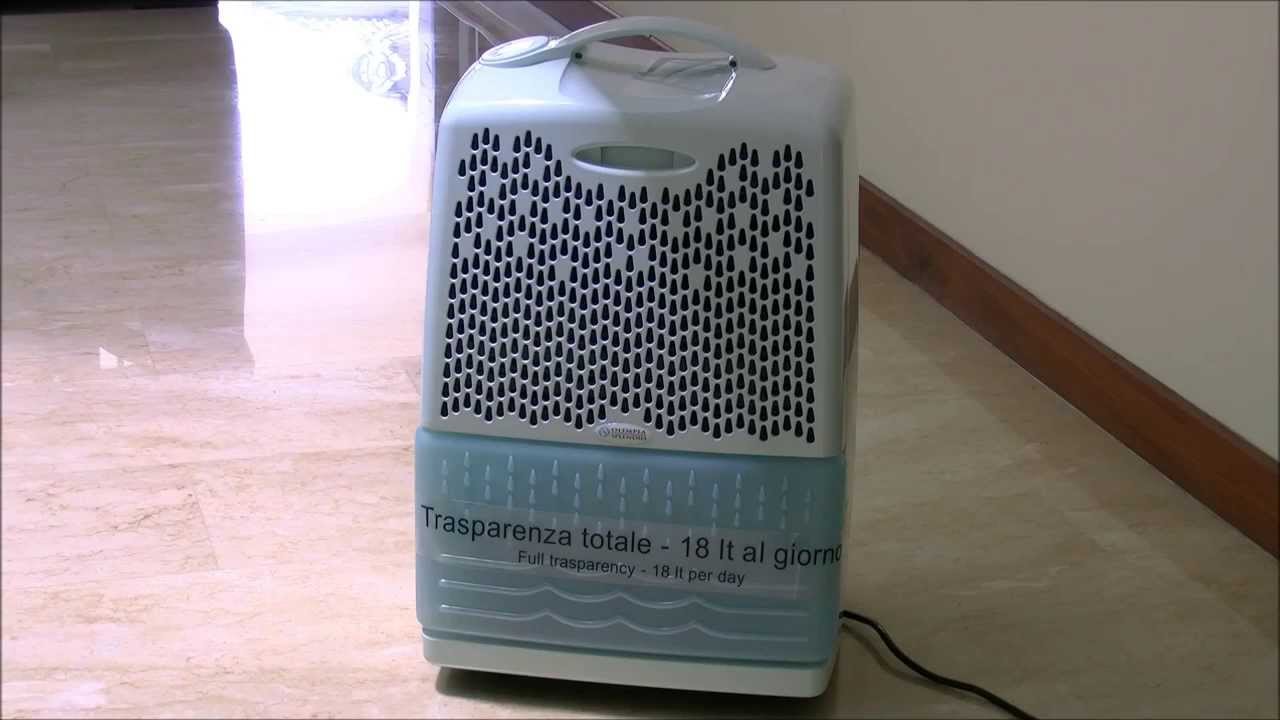
The dehumidifier in my laundry room.
2017 so far has been a very wet year for us. It's been raining so very frequently. When it doesn't rain, the weather is hazy with a pungent acrid burning smell in the air.

How can you dry laundry then?

Imagine the smell that it will absorb.

Imagine the DAMP smell the laundry will end up with in this damp weather.

So what to do?

Invest in a dryer!

Many will say: "The electricity bill will cost a bomb!"

Many instead choose to hang their laundry all over in their house. I read that hanging wet laundry in the house can cause problems for the lungs. A damp house can worsen an asthma attack. A damp environment can cause mold to thrive. Dust mites love a damp environment too. To read more about this, click on WHY YOU SHOULD NEVER HANG YOUR WET LAUNDRY INDOORS.

Unfortunately, this is a very normal habit for us Malaysians.

WHAT TO DO THEN?

Invest in a dehumidifier. Not those tiny boxes which you place in your wardrobe. Not dried charcoal in small bags either. It won't work with drying your clothes!

I'm talking about those huge electrical dehumidifiers which can absorb nearly 20 litres of water (or more).

This is what I have in my laundry room and in my bedroom.
You can adjust the percentage of the humidity that you want the room to reach to. I usually wash my laundry at night and then switch the humidifier on for the whole night. The next morning, the clothes are all crispy, dried, HOT and fresh smelling. The whole laundry room is HOT and DRY! The container at the bottom of the dehumidifier would be filled with water.

Some people will place this in their room/basement which are damp and place the outlet hose for the water to be drained into the bathroom. This will enable the dehumidifier to function on non-stop mode. The method which I'm using does not use the outlet hose. Once the container is filled up with water, the dehumidifier will shut off automatically.

When we first shifted in to our new place, the master bedroom was very damp. The humidity level was 80+. It was very humid and damp. I was very worried about fungus spores forming. I switched on the humidifier during the day and the air-con during the night. Over the months, the humidity dropped and it's now in the early 60s.

Drying the laundry in this manner doesn't burn a hole in the wallet compared to when using the dryer. Also the clothes last longer. I find the dryer speeds up the process of 'aging'! The clothes wear out faster.

So if you're in a dilemma on how to dry your laundry, you might want to research about dehumidifiers.