A girl who survived death and was given a second chance at life, this blog is about life and on how to live a 'chemical+salicylate-free-life' in a 'chemical+salicylate world' to the best that she can.
Showing posts with label Salicylate. Show all posts
Thursday, 5 July 2018
Aspirin & NSAIDs Allergies
*picture is taken from HERE
NSAIDs stand for Non Steroidal Anti-Inflammatory Drugs. They are usually used for pain, inflammation, heart diseases and even fever.
Even though NSAIDs provide relief for many people, there are people who are allergic to them. Some people have hives (urticaria), swelling (angioedema), a sudden severe asthma attack and anaphylaxis.
Apparently many cold, sinus and allergy medication contain NSAIDS!
There are many types of NSAIDs which are sold. The four main NSAIDs are aspirin (Bayer, Bufferin, Ecotrin), ibuprofen (Advil, Motrin), naproxen (Aleve, Anaprox DS, Naprosyn) and celecoxib (Celebrex).
There are so many variations of NSAIDs sold today. *And drug manufacturers combine NSAIDs with other medications such as narcotic pain medications, muscle relaxers, anti-histamine and decongestants, caffeine headache medications and anti-acid medications.
*taken from HERE
Below is a list of NSAIDs in medications. This list is taken from HERE.
ASA
Actiprofen
Actron Ketoprofen
Acular ophthalmic
Acular LS ophthalmic
Acuprin
Acuvail ophthalmic
Adran
Addaprin-
Advil
Advil Cold & Sinus
Advil Congestion Relief
Aggrenox
Aleve
Aleve-D Sinus & Cold
Alka Seltzer
Alka Seltzer Plus
Alor
Amersol
Amibufen
Amigesic
Anacin
Anaflex
Anaprox
Anaprox DS
Anflagen
Anco
Anodynos
Andran
Ansaid
Apo-NaproNA
Apo-lbuprofen
Apo ASA
Apo Asen
Apo Keto
Apo Naproxen
Apo Piroxicam
Apo lndomethiacin
Aposulin
Apsifen
Aquaprin
Argesic SA
Arthra G
Arthrinol
Arthrisin
Arthritis Pain Formula
Arthritis Strength Bufferin
Arthropan Liquid
Arthrotec
Artria AR
Asacol
Ascriptin
Ascriptin A/D
Ascriptin with Codeine
Asperbuf
Aspercin
Aspergum
Aspir-Low
Aspirin
Aspirtab
Astrin
BC Tablets and Powders
Bayer Aspirin
Bayer Children 's Aspirin
Bayer Childrens Cold Tablets
Bayer Time Release Tablets
Bluton
Brufanic
Brufen
Brufort
Buff-A Comp Tablets
Buffaprin
Buffasal
Bufferin with or without Codeine
Buffetts ll Tablets
Buffinol
Buburone
Butylenin
Butalbitol/ Aspirin
Cataflam
Caldolor
Cap-Profen
Capron capsules
Cama Arthritis Pain Reliever
Canasa
Cataflam
Choline Magnesium Triasalicylate
Choline Salicylate
Clinoril
Codral
Combunox
Congesprin
Cope Tablets
Coricidin
Coryphen asa
Cosprin Tablets
Counterpain
Damason
Daprisal
Darvon Compound
Darvon Compound with ASA
Darvon Compound with Aspirin
Darvon Compound 65
Daypro
Diclofenac
Difenac
Diflunisal
Difluzenal
Dimetapp Sinus
Disalcid
Doan’s Pills
Dolgin
Dolgirid
Dolgit
Dolobid
Dolocyl
Dristan Sinus
Durasol
Ebufac
Easprin
Ecotrin
EC Naproxyn
Efficin
Emagrin
Emodin
Emperin
Empirin with Codeine
Emprazil
Endodan
Entrophen
Epobron
Epromate- M
Equagesic
Esaprin
Etodolac
Equagesic
Excedrine
Excedrine Migraine
Excedrine lB
Femadon
Fenbid Spansule
Feldene
Fenoprophen
Fenoprofen
Fiorinal
Fiorinal with Codeine
Flector
Flurbiprofen
Froben
Gelprin
Gemnisyn Goodys
Genacote
Genpril
Halfprin
Haltran
Helidac
Heptogesic
IBU
Ibufen
Ibumetin
Ibuprin
Ibuprocin
Ibuprohm
Ibutid
Ifen
Inabrin
Indocin
Indocin SR
Indo-Lemmon
Indomethacin
Indomethagan
Inoven
Lamidon
Lebrufen
Ledifen
Liptan
I-prin
Ketoprofen
Ketoprofen ER
Ketorolac
Ketorolac tromethamine injection
Lanorinal
Liquiprin
Lodine
Lodine XL
Lortab ASA
Magan
Magnaprin
Magsal
Marnal
Maximum Bayer Aspirin
Measurin
Meclofenamate
Meclofenamate Sodium
Meclomen
Medipren
Mediproxen
Mefenamic Acid
Meloxicam
Menadol
Mesasal
Methocarbonal with Aspirin
Meprogesic
Micranin
Midol (see illustration)
Mobic
Mobidin
Mobigesic
Momentum
Mono-Gesic
Monogesic
Motrin
Motrin lB
Mynosedin
Nabumetone
Nalfon
Nalfon 200
Napacetin
Naprapac
Naprelan
Naproxen
Naxen
Neoprofen
Nobfelon
Nobfen
Nobgen
Norgesic
Norgesic Forte
Norwich
Novahistine
Novasal
Novasen
NovoGent N
Novo-Naprox
Novoprofen
Novo-Sundac
Novomethacin
Novopirocam
Nu-Naprox
Nu-lbuprofen
Nu-lndo
Nuprin
Nupryn
Nurofen
Orafen
Orphengesic
Orphengesic Forte
Orudis
Oruval
Oxaprozin
Oxycodone HCL/ Ibuprofen
Oxycodone HCL/ Aspirin
Oxycodone HCL/ ASA
Pantrop
Paxofen
P-A-C Analgesic
Pediaprofen
PMS- ASA
PMS-Pirocam
Pabalate SF
Pamprin
Panasal 5/500
Pentazocine HCL/ Aspirin
Pepto-Bismol
Percodan
Percodan-Demi
Persantine
Persistin
Pirocam
Piroxicam
Ponstel
Profen
Propoxyphene Compound 65
Propoxyphene HCL/ Caffeine/ ASA (aspirin)
Proprinal-
Rafen
Rebugen
Relafen
Rexolate Sodium
Rhovail
Robaxisol
Roidenin
Roxiprin
Rufen
Saleto Tablets
Sal-Fayne
Salflex
Salgesic Sodium
Salsalate
Salsitab
Seclodin
Sine-Aid lB
Sloprin
Sodium Thiosalicylate
Solaraze
Soma Compound
St. Josephs Aspirin
Stanback
Sudafed Sinus and Pain 12 hour
Suldinac
Supasa
Suspren
Synalgos-DC
Synflex
Synflex DS
Tabalon
Tabprofen
Talwin compound
Tecnal
Tolectin
Tolectin DS
Tolectin 600
Tolmetin
Toradol
Trendar
Tricosal
Trigesic
Trilisate
Tromethamine tablet or injection
Ultraprin
Urem
Vanquish
Vicoprofen
Voltaren
Voltaren ophthalmic
Voltaren Gel
Wal-Profen Cold & Sinus
Zipsor
Zorprin
Pepto Bismol is a stomach medication which is used to prevent traveler's tummy. This contains bismuth subsalicylate.
Tuesday, 12 December 2017
December 2017 Update
Today's the 196th day I've been off my meds!
To read about how this journey started, click on LINK.
*picture taken from HERE
To read about how this journey started, click on LINK.
*picture taken from HERE
Thursday, 16 November 2017
Product Review (1) - Jack N' Jill Natural Toothpaste
I will be doing some product reviews as I come across "safe", "fragrance-free" and "chemically-free" products being sold out there.
My review is my opinion. You can disagree. You can pound your keyboard and scream in disagreement. You can even send in your disagreements.
But if you choose to buy and experiment, you are responsible for your own experiments. Please use wisdom and common sense when you try anything new. Just because I can use/eat/smell it, do not think that you too will be able to. My immune system and yours are different and no two persons' immune system are the same.
Today's product review is Jack N' Jill Toothpaste.
The ingredients are xylitol, purified water, vegetable glycerin (coconut derived), silica, xantham gum, potassium sorbate (naturally derived) and citric acid.
According to what is written on the tube, it's safe to be swallowed. It is also SLS (sodium laureth sulfate) free. It has no fluoride, no sugar, no artificial colour and no parabens.
The gel is transparent/translucent.
When I used it for the first time, my eyes went as big as goldfish eyes. It was sooooooooo sweet! Hey, I thought that it stated "No Sugar?" I read the ingredients again and saw xylitol. Well, *xylitol is a sugar substitute and is used in "sugar-free" candies and sweets. It has a low glycemic index, fewer calories and doesn't spike blood sugar/insulin. The sweetness turned me off.
The price factor was another turn off. For 50gm it costs a whooping RM31.70!!! That was the first and last time I would ever buy this. It's too damn expensive. With RM31.70, I could buy one and a half free-range chicken!
Some salicylate-sensitive people might not be able to tolerate the coconut derived vegetable glycerin. Many cannot tolerate coconut. Vegetable glycerin is from the oil and coconut oil is HIGH in salicylate.
My verdict? A waste of money and WAY TOO SWEEEEET!
*taken from Xylitol - Everything You Need To Know
My review is my opinion. You can disagree. You can pound your keyboard and scream in disagreement. You can even send in your disagreements.
But if you choose to buy and experiment, you are responsible for your own experiments. Please use wisdom and common sense when you try anything new. Just because I can use/eat/smell it, do not think that you too will be able to. My immune system and yours are different and no two persons' immune system are the same.
Today's product review is Jack N' Jill Toothpaste.
The ingredients are xylitol, purified water, vegetable glycerin (coconut derived), silica, xantham gum, potassium sorbate (naturally derived) and citric acid.
According to what is written on the tube, it's safe to be swallowed. It is also SLS (sodium laureth sulfate) free. It has no fluoride, no sugar, no artificial colour and no parabens.
The gel is transparent/translucent.
When I used it for the first time, my eyes went as big as goldfish eyes. It was sooooooooo sweet! Hey, I thought that it stated "No Sugar?" I read the ingredients again and saw xylitol. Well, *xylitol is a sugar substitute and is used in "sugar-free" candies and sweets. It has a low glycemic index, fewer calories and doesn't spike blood sugar/insulin. The sweetness turned me off.
The price factor was another turn off. For 50gm it costs a whooping RM31.70!!! That was the first and last time I would ever buy this. It's too damn expensive. With RM31.70, I could buy one and a half free-range chicken!
Some salicylate-sensitive people might not be able to tolerate the coconut derived vegetable glycerin. Many cannot tolerate coconut. Vegetable glycerin is from the oil and coconut oil is HIGH in salicylate.
My verdict? A waste of money and WAY TOO SWEEEEET!
*taken from Xylitol - Everything You Need To Know
Tuesday, 7 November 2017
An Update!
Today is the 161th day!!!! The body is slowly forgetting Xyzal. Sometimes the craving still comes. But it has lessened considerably a lot!
I've been extremely busy experimenting with food. Hehe... There were times where my bucket overflowed because I couldn't resist high-salicylates food. Then it was back to low-salicylates. I still am not strong enough to try outside food yet. But life is good. And I'm very thankful and grateful to be at this stage. Health is truly wealth!
I've also been walking 10K steps everyday. Walking makes a huge difference. It helped strengthen the immune system. It also helped me de-stress. It also helped loosen some very tight muscles.
The beginning of this journey: 1000 Kilometres and Candida
The second part of this journey: Candida & Dr. Yadav
The third part of this journey: Pain & Rock Star No More (Part One)
The fourth part of this journey: Pain & Rock Star No More (Part Two)
The fifth part of this journey: The New Hell Called Steroids
The sixth part of this journey: Onward, Forward, No Looking Back
The seventh part of this journey: Moving On
The eighth part of this journey: Trekking On
The ninth part of this journey: An Update
I've been extremely busy experimenting with food. Hehe... There were times where my bucket overflowed because I couldn't resist high-salicylates food. Then it was back to low-salicylates. I still am not strong enough to try outside food yet. But life is good. And I'm very thankful and grateful to be at this stage. Health is truly wealth!
I've also been walking 10K steps everyday. Walking makes a huge difference. It helped strengthen the immune system. It also helped me de-stress. It also helped loosen some very tight muscles.
The beginning of this journey: 1000 Kilometres and Candida
The second part of this journey: Candida & Dr. Yadav
The third part of this journey: Pain & Rock Star No More (Part One)
The fourth part of this journey: Pain & Rock Star No More (Part Two)
The fifth part of this journey: The New Hell Called Steroids
The sixth part of this journey: Onward, Forward, No Looking Back
The seventh part of this journey: Moving On
The eighth part of this journey: Trekking On
The ninth part of this journey: An Update
Sunday, 20 August 2017
An Update
Today's is the 82nd day off Xyzal!
I finally fell sick in July. Caught the flu bug which was going around the Klang Valley. The last time I fell sick was one year ago. The doctor told me that it is good to finally fall sick. The immune system can be strengthened.
As a result of falling sick (also had ulcers on my tonsils at the same time, not eating and sleeping well, coughing to the point, I think my lungs were almost expelled out a few times), the reflux problem came back and I had to be on PPIs for a few days. Then it was back to building up the gut again.
Food wise, I have been able to eat small amounts of spinach, okra, broccoli and turmeric with no issues. These are high in salicylate.
I'm still taking it slow and easy! But it's good to be able to eat healthy food!
The beginning of this journey: 1000 Kilometres and Candida
The second part of this journey: Candida & Dr. Yadav
The third part of this journey: Pain & Rock Star No More (Part One)
The fourth part of this journey: Pain & Rock Star No More (Part Two)
The fifth part of this journey: The New Hell Called Steroids
The sixth part of this journey: Onward, Forward, No Looking Back
The seventh part of this journey: Moving On
The eighth part of this journey: Trekking On
I finally fell sick in July. Caught the flu bug which was going around the Klang Valley. The last time I fell sick was one year ago. The doctor told me that it is good to finally fall sick. The immune system can be strengthened.
As a result of falling sick (also had ulcers on my tonsils at the same time, not eating and sleeping well, coughing to the point, I think my lungs were almost expelled out a few times), the reflux problem came back and I had to be on PPIs for a few days. Then it was back to building up the gut again.
Food wise, I have been able to eat small amounts of spinach, okra, broccoli and turmeric with no issues. These are high in salicylate.
I'm still taking it slow and easy! But it's good to be able to eat healthy food!
The beginning of this journey: 1000 Kilometres and Candida
The second part of this journey: Candida & Dr. Yadav
The third part of this journey: Pain & Rock Star No More (Part One)
The fourth part of this journey: Pain & Rock Star No More (Part Two)
The fifth part of this journey: The New Hell Called Steroids
The sixth part of this journey: Onward, Forward, No Looking Back
The seventh part of this journey: Moving On
The eighth part of this journey: Trekking On
Tuesday, 14 March 2017
Did You Know....
... That a man by the name of Edward Stone discovered salicylate?
He chewed on a piece of willow bark and realised that it had analgesic effects. The bark's active ingredient was isolated in 1827. It was named salicin which comes from the Greek word 'salix' which means willow.
For more information, click on LINK.
He chewed on a piece of willow bark and realised that it had analgesic effects. The bark's active ingredient was isolated in 1827. It was named salicin which comes from the Greek word 'salix' which means willow.
For more information, click on LINK.
Tuesday, 10 June 2014
Tips For the Salicylate Sensitive
1. Remove the aloe-vera strips on shaving blades.
2. Peel all outer leaves of leafy vegetables.
3. Peel all skin from fruits.
4. Keep salicylate levels in body to a minimum.
5. Have fresh and unprocessed food everyday!
2. Peel all outer leaves of leafy vegetables.
3. Peel all skin from fruits.
4. Keep salicylate levels in body to a minimum.
5. Have fresh and unprocessed food everyday!
Sunday, 22 September 2013
Happy 2nd Bloggersary!
Another year has passed.
'The Right to be Alive' is now officially 2 years old.
2 years old. The age where a toddler begins to understand 'now', 'later' and 'a few minutes'. It is a stage where the toddler is able to follow simple instructions, realizes that she/he is a separate individual, where temper tantrums manifest itself quite often, and is also able to command about 50 words.
Well, 'The Right to be Alive' certainly does understand the meaning of 'now' and 'later'. I mean, the slow climb to better health did not magically appear overnight. Neither did it come 'later'. It happened 'VERY, VERY, VERY much later!' And it's not even back to 100% normal. It's like about 40%. So I guess this 2-year-old toddler GETS the meaning of now, later and a few minutes.
And don't get me started on the 'temper tantrums'. I think it can be likened to 'menopausal craziness'! Anyway, I think this toddler has learned to follow simple instructions such as 'cannot eat or smell', 'must sleep early', 'sleep is thy vitamin', 'you must eat even if you don't feel like eating' and etc etc etc....
50 words?!! I think this toddler surpasses 50 words. Hell, this toddler can even swear like a sailor...Oh shit!
A very happy 2nd birthday to 'The Right to be Alive'! You are indeed alive! Alive with much frustrations and joy, sadness and happiness, health and sickness, peace and burdens, insomnia and deep-sleeps, calm and tsunami-filled days and the-never-ending fight to attain the finish line in one piece.
'The Right to be Alive' is now officially 2 years old.
2 years old. The age where a toddler begins to understand 'now', 'later' and 'a few minutes'. It is a stage where the toddler is able to follow simple instructions, realizes that she/he is a separate individual, where temper tantrums manifest itself quite often, and is also able to command about 50 words.
Well, 'The Right to be Alive' certainly does understand the meaning of 'now' and 'later'. I mean, the slow climb to better health did not magically appear overnight. Neither did it come 'later'. It happened 'VERY, VERY, VERY much later!' And it's not even back to 100% normal. It's like about 40%. So I guess this 2-year-old toddler GETS the meaning of now, later and a few minutes.
And don't get me started on the 'temper tantrums'. I think it can be likened to 'menopausal craziness'! Anyway, I think this toddler has learned to follow simple instructions such as 'cannot eat or smell', 'must sleep early', 'sleep is thy vitamin', 'you must eat even if you don't feel like eating' and etc etc etc....
50 words?!! I think this toddler surpasses 50 words. Hell, this toddler can even swear like a sailor...Oh shit!
A very happy 2nd birthday to 'The Right to be Alive'! You are indeed alive! Alive with much frustrations and joy, sadness and happiness, health and sickness, peace and burdens, insomnia and deep-sleeps, calm and tsunami-filled days and the-never-ending fight to attain the finish line in one piece.
Tuesday, 25 September 2012
Happy 1st Bloggersary!
It has been 1 year since I started this blog. Time truly flies.
This blog was the thing that brought me out of the deepest period of depression that I was in. I could express my deepest emotions and feelings which I could not vocalize. This blog has helped me to find people like me all cross the world which I cannot not do physically.
I have met so many wonderful people who are in the same boat as I am in. I have learnt so much from them. I have been encouraged much by them. I have grown so much where this area of my life is concerned. And yet after battling this condition for 42 months, I am nowhere near being healed. Yes, I have grown stronger. But I still react to salicylate in foods at different points in life, chemicals in daily products which have smells/scents. Even certain foods. But life goes on.
This blog was the thing that brought me out of the deepest period of depression that I was in. I could express my deepest emotions and feelings which I could not vocalize. This blog has helped me to find people like me all cross the world which I cannot not do physically.
I have met so many wonderful people who are in the same boat as I am in. I have learnt so much from them. I have been encouraged much by them. I have grown so much where this area of my life is concerned. And yet after battling this condition for 42 months, I am nowhere near being healed. Yes, I have grown stronger. But I still react to salicylate in foods at different points in life, chemicals in daily products which have smells/scents. Even certain foods. But life goes on.
This year has been an amazing journey for me. Traveling approximately 50 kilometers everyday from Monday to Friday is no small feat for someone like me. But it is totally worth it as we have seen Joel grown in courage, confidence and boldness. Though he is afraid, he still manages to overcome his obstacles. Yes, he takes more time than other children. But he is an overcomer. Thus, that 50 kilometers a day for 5days a week, 4 weeks a month that I go through is worth it. And Joel could not have done it without the help of the school's principal, Joel's teachers and counsellors.
I have grown all the more sensitive where smells are concerned. I have even become sensitive to sanitary pads. And that has caused much misery, pain and frustration for me. For 5 months in a row, I have had infections after every period. The pain in the bladder was just too excruciating. The pain drained all my energy. And when the infections finally stopped, my period decided not to stop for 2 weeks. And when it did stop, I was exhausted. And it came again in 2 weeks.
My low blood pressure at times has given me hard times. And it has prevented me from driving as I could only lie in bed waiting for the plunge to be over.
There have been times where I just crash in front of the TV till the wee hours of the morning and cannot get up to go to bed. It is as if I have been weighed down by shackles, strapped with an anchor the size of Titanic and thrown into the sea. The will to go on just sometimes get sapped out of me and I feel so trapped. At times, the gnawing desperation gets me. And when I sleep, I sleep in a phantom void and wake up more exhausted than ever. And when I do finally sleep, I have the same recurring nightmares.
I'm exhausted at this point. Exhausted of fighting. Of not giving up. I had thought that being in the battlefield everyday would have somehow numbed my senses. But yet, my skin crawl every time I hear the sound of the battle horn. The weariness of putting on the armour, of arming myself. It came to a point where the armour had become me. I had become a warrior and nothing more. I lost my 'human' side. Somewhere along the line, other than fighting, I have forgotten how to live. I have somehow 'lost' myself. I had forgotten how to feel.
Thus, I became trapped in quicksand with everything being swallowed by the sand except my head.
The thing about being trapped in quicksand is that the more you struggle, the faster you will sink. The trick is to stop flapping and flailing one's arms and legs.
Therefore, I will stop flapping and flailing my arms and just relax and breathe. And by doing so, my body will float and once again, I will have found myself and be ready for another round of journey in the right to be alive.
Not all that glitters is good. Not all rejoicing is real. Not all triumphs are triumphant. Not all pain is detrimental to one's soul. Not all quicksand will drown you. And many times, death does not kill you.
Therefore, here's a very happy 1st blogger-sary to 'The Right to be Alive'. You deserve the birthday cake, candle, presents and the birthday wish.
Saturday, 18 August 2012
My Salicylate Survival Tips - Part 1
I've been asked many times about the salicylate levels in the food that I eat.
There are many websites out there about the contents of salicylate in food and they contradict each other. Some say it's negligible and another says that it is low or even moderate.
I use the Anne Swain research as my guide. I also follow the Failsafe Diet (though not 100% as I am able to tolerate a few different types of food). That being said, I also believe that each and everyone of us function differently. Some may not even tolerate even low levels of salicylate. I am able to.
However, being a person who experienced anaphylaxis due to an overload of salicylates, I still have to be careful and vigilant where my diet is concerned.
Here are some tips which I learned through experience and by researching:
1. Butter Is Not Yellow
I grew up thinking that butter was a dark, golden yellow as all the butter that we bought from supermarkets are in dark, golden yellow. Until a friend shared with me that the yellow colour is from COLOURING!
Annatto is used to give butter that deep yellow colour as the colour of butter range from creamy white to golden yellow. The colour of butter depends on the diet of the cow!
Annatto is derived from the seeds of the achiote trees. The seeds are sourced to produce a carotenoid-based-yellow to orange food coloring and flavour!
click on ANNATTO to read more
As annatto is from a plant, it does not surprise me when I read that it causes rare allergic reactions. To me, plants = salicylates. And when I searched for a link between annatto and salicylates, I found this:
ANNATO & SALICYLATE
Do take time to read this!
The best part is, even when I did not know of this, I was reacting to butter. According to the salicylate table content, the level of salicylate in butter is negligible! But yet, after every time I butter up my home-made bread, within a few minutes, the lid of my eye would break out in a tiny pimple and it would itch like crazy! I guess this 'annatto' must be the culprit.
2. The Promising Pear Isn't So Promising After All
The relapse which I had that sent me rushing to the ER after sticking the EpiPen into my thigh was triggered by a peeled PECKHAM PEAR!
And a peeled Peckham pear is supposed to be salicylate-free!
Well, it burned my mouth so badly that it felt like the fires of Hades were residing in my mouth. And the allergy-migraine-from-the-bowels-of-Hades struck. And then I couldn't breathe.
Could it have been triggered by the insecticide that was sprayed on the skin of the pears? Could it have been caused by something in the pear that I did not know of?
And so I did some research and discovered that pears contain a moderate amount of OXALATES!
The first thing that came to mind was, 'WHAT THE HELL ARE OXALATES?'
***Oxalates are crystals that may form in the body upon the ingestion of foods high in oxalic acid, such as spinach and soy. The crystals are needle -sharp, and can cause kidney stones as well as unexplained pain in any soft tissue, such as the muscles, eyes and heart.
***taken from here
The solution to oxalate sensitivity include avoidance of high-oxalate vegetables and fruits and increased mineral supplements both to prevent oxalate formation and to facilitate oxalate removal from the body.
To people who are salicylate sensitive, they may cross-react to many other things, which may include oxalates.
Am I oxalate sensitive? I have no idea. But it is good to be aware of oxalates.
Click here for an interesting read on oxalates.
3. The Anti-Caking Agent
When I first started the salicylate-free journey 41 months ago, I saw that corn flour is salicylate-free. Therefore I would be safe. Boy, was I wrong!
The burning sensation was horrible and the same allergy-migraine-from-hell came soon after.
Why did it happen?
What triggered the attack?
Most products in loose forms have anti-caking agents in them to prevent the formation of lumps. And it is an ADDITIVE!
The anti-caking agent (554) which is sodium aluminosilicate is a man-made product. It is mostly used in table salt. And this is present is dried milks, sugar products and even in flours!
An interesting link. Do read it.
4. The Sulphuric Cabbage
41 months back, I thought that cabbage was a very fine vegetable. I mean it was salicylate-free! And I LOVE cabbage. Yummy to the tummy.
But the smell of cabbage made me sick.
It was as though I was smelling rotten food. It gave out this gas which made me sick. Really sick.
After researching, I discovered that it was the sulphur! It was a sulphuric food. So was petai, durian and nangka (jackfruit). And I could not tolerate all these smells after the anaphylactic attack.
Here is a list of sulphur containing food.
People being salicylate-sensitive could cross react with sulphuric foods.
5. Of Beans & Sprouts
Just because the mung bean is salicylate-free, it does not mean you can pig out on bean-sprouts.
The beans have no salicylates. The sprouts do. They are low in salicylates. Bear in mind of the differences!
My allergist/immunologist shared that salicylate is negligible in sunflower oil. But not in the flower! So if you plant sunflower in your garden, and are VERY sensitive to salicylates, it is good to have this information in mind.
... to be continued
There are many websites out there about the contents of salicylate in food and they contradict each other. Some say it's negligible and another says that it is low or even moderate.
I use the Anne Swain research as my guide. I also follow the Failsafe Diet (though not 100% as I am able to tolerate a few different types of food). That being said, I also believe that each and everyone of us function differently. Some may not even tolerate even low levels of salicylate. I am able to.
However, being a person who experienced anaphylaxis due to an overload of salicylates, I still have to be careful and vigilant where my diet is concerned.
Here are some tips which I learned through experience and by researching:
1. Butter Is Not Yellow
I grew up thinking that butter was a dark, golden yellow as all the butter that we bought from supermarkets are in dark, golden yellow. Until a friend shared with me that the yellow colour is from COLOURING!
Annatto is used to give butter that deep yellow colour as the colour of butter range from creamy white to golden yellow. The colour of butter depends on the diet of the cow!
Annatto is derived from the seeds of the achiote trees. The seeds are sourced to produce a carotenoid-based-yellow to orange food coloring and flavour!
click on ANNATTO to read more
As annatto is from a plant, it does not surprise me when I read that it causes rare allergic reactions. To me, plants = salicylates. And when I searched for a link between annatto and salicylates, I found this:
ANNATO & SALICYLATE
Do take time to read this!
The best part is, even when I did not know of this, I was reacting to butter. According to the salicylate table content, the level of salicylate in butter is negligible! But yet, after every time I butter up my home-made bread, within a few minutes, the lid of my eye would break out in a tiny pimple and it would itch like crazy! I guess this 'annatto' must be the culprit.
2. The Promising Pear Isn't So Promising After All
The relapse which I had that sent me rushing to the ER after sticking the EpiPen into my thigh was triggered by a peeled PECKHAM PEAR!
And a peeled Peckham pear is supposed to be salicylate-free!
Well, it burned my mouth so badly that it felt like the fires of Hades were residing in my mouth. And the allergy-migraine-from-the-bowels-of-Hades struck. And then I couldn't breathe.
Could it have been triggered by the insecticide that was sprayed on the skin of the pears? Could it have been caused by something in the pear that I did not know of?
And so I did some research and discovered that pears contain a moderate amount of OXALATES!
The first thing that came to mind was, 'WHAT THE HELL ARE OXALATES?'
***Oxalates are crystals that may form in the body upon the ingestion of foods high in oxalic acid, such as spinach and soy. The crystals are needle -sharp, and can cause kidney stones as well as unexplained pain in any soft tissue, such as the muscles, eyes and heart.
***taken from here
The solution to oxalate sensitivity include avoidance of high-oxalate vegetables and fruits and increased mineral supplements both to prevent oxalate formation and to facilitate oxalate removal from the body.
To people who are salicylate sensitive, they may cross-react to many other things, which may include oxalates.
Am I oxalate sensitive? I have no idea. But it is good to be aware of oxalates.
Click here for an interesting read on oxalates.
3. The Anti-Caking Agent
When I first started the salicylate-free journey 41 months ago, I saw that corn flour is salicylate-free. Therefore I would be safe. Boy, was I wrong!
The burning sensation was horrible and the same allergy-migraine-from-hell came soon after.
Why did it happen?
What triggered the attack?
Most products in loose forms have anti-caking agents in them to prevent the formation of lumps. And it is an ADDITIVE!
The anti-caking agent (554) which is sodium aluminosilicate is a man-made product. It is mostly used in table salt. And this is present is dried milks, sugar products and even in flours!
An interesting link. Do read it.
4. The Sulphuric Cabbage
41 months back, I thought that cabbage was a very fine vegetable. I mean it was salicylate-free! And I LOVE cabbage. Yummy to the tummy.
But the smell of cabbage made me sick.
It was as though I was smelling rotten food. It gave out this gas which made me sick. Really sick.
After researching, I discovered that it was the sulphur! It was a sulphuric food. So was petai, durian and nangka (jackfruit). And I could not tolerate all these smells after the anaphylactic attack.
Here is a list of sulphur containing food.
People being salicylate-sensitive could cross react with sulphuric foods.
5. Of Beans & Sprouts
Just because the mung bean is salicylate-free, it does not mean you can pig out on bean-sprouts.
The beans have no salicylates. The sprouts do. They are low in salicylates. Bear in mind of the differences!
My allergist/immunologist shared that salicylate is negligible in sunflower oil. But not in the flower! So if you plant sunflower in your garden, and are VERY sensitive to salicylates, it is good to have this information in mind.
... to be continued
Saturday, 5 May 2012
To Scent or Not To Scent (Part 4) - Perfume Hypersensitivity
Perfume has been used since the ancient of days. Many people are perplexed to why the big fuss over the use of perfumes and fragrances today. Many are outraged and ask, 'What is wrong in trying to smell good?'
This is very extensively used in women's perfume. It produces a jasmine-like 'floral-ness' when accompanied by more volatile chemicals of floral character. Assists in fixation for perfumes. It is known as a human immune system toxicant. It can cause contact dermatitis.
It is also known as:
* 1-heptanol, 2-(phenylmethylene)
* 2-amyl-3-phenyl-2-propen-l-ol
* 2-(phenylmethylene)-l-Heptanol
* 2-benzylideneheptan-1-ol
* 2-benzyliidene-1-heptanol
* 2-pentyl-3-phenylprop-2-en-1-ol
During the ancient days, only 100% extract of plants and animals were used. No synthetics, no chemicals. 100% original. It is a different story today. Due to high cost, animal and plants being on the verge of extinction (because of the huge amount needed to FEED the mass market of perfume/fragrances), synthetic chemicals are needed to continually boost the perfume market.
Perfume Hypersensitivity or 'Allergies'
Many people today have developed a hypersensitivity, an 'intolerance' or an 'allergy' to 'smells'. Particularly to perfume. And to these people, it never crossed their mind that their perfume/fragrance could be the one that is triggering their 'allergy' reactions. And sad to say, some are too addicted to their perfumes to give them up. And continue to live in denial and in sickness!
In order to prolong the shelf life of perfumes, preservatives are added to extend their shelf life. And many times, these preservatives are the culprits of perfume 'allergies'.
Some 'allergy' reactions are even caused by the natural products that are in the perfumes!
Common 'Allergy' Causing Chemicals in Perfumes
1. Amylcinnamic Alcohol
This is very extensively used in women's perfume. It produces a jasmine-like 'floral-ness' when accompanied by more volatile chemicals of floral character. Assists in fixation for perfumes. It is known as a human immune system toxicant. It can cause contact dermatitis.
It is also known as:
* 1-heptanol, 2-(phenylmethylene)
* 2-amyl-3-phenyl-2-propen-l-ol
* 2-(phenylmethylene)-l-Heptanol
* 2-benzylideneheptan-1-ol
* 2-benzyliidene-1-heptanol
* 2-pentyl-3-phenylprop-2-en-1-ol
* Alpha-amylcinnamic alcohol
* Alpha-amylcinnamyl alcohol
* Alpha pentyl cinnamyl alcohol
* Amylcinnamic alcohol
* Amylcinnamyl alcohol
* Buxinol
2. Anisyl Alcohol
This is used in perfumery and it has a hawthorn ordour. It adds volume and also gives a natural aspect to floral compositions such as mimosa, lilac, cassia, apple-blossom, jasmine and heliotrope as well as to clover and fougere perfumes.
It is also found in acid cleaners, fabric conditioners, antiperspirant, toiletries, fabric detergent liquid, soap, powder detergent and liquid bleach.
It is filed as a non-food allergy which can cause nausea, headache, breathing difficulty, hoarse voice, loss of voice, tingling lips, muscle pain, joint pain and etc. Some react in an anaphylactic reaction, some get asthma, abdominal pain, eczema or headaches. (click here)
3. Benzyl Alcohol
This is used as a solvent and preservative in perfumes. Benzyl Alcohol has been associated with contact allergy. When tests were conducted on lab rats, DNA damage was recorded. For more information click here.
4. Benzyl Salicylate
Since I am salicylate sensitive, I am going to highlight this in red. This is used as a solvent for synthetic musks as a fixative in floral perfumes such as jasmine, lilac and lily. There has been evidence that people can become sensitized to this material, thus has been given a Restriction Standard by the International Fragrance Association.
* Alpha-amylcinnamyl alcohol
* Alpha pentyl cinnamyl alcohol
* Amylcinnamic alcohol
* Amylcinnamyl alcohol
* Buxinol
2. Anisyl Alcohol
This is used in perfumery and it has a hawthorn ordour. It adds volume and also gives a natural aspect to floral compositions such as mimosa, lilac, cassia, apple-blossom, jasmine and heliotrope as well as to clover and fougere perfumes.
It is also found in acid cleaners, fabric conditioners, antiperspirant, toiletries, fabric detergent liquid, soap, powder detergent and liquid bleach.
It is filed as a non-food allergy which can cause nausea, headache, breathing difficulty, hoarse voice, loss of voice, tingling lips, muscle pain, joint pain and etc. Some react in an anaphylactic reaction, some get asthma, abdominal pain, eczema or headaches. (click here)
3. Benzyl Alcohol
This is used as a solvent and preservative in perfumes. Benzyl Alcohol has been associated with contact allergy. When tests were conducted on lab rats, DNA damage was recorded. For more information click here.
4. Benzyl Salicylate
Since I am salicylate sensitive, I am going to highlight this in red. This is used as a solvent for synthetic musks as a fixative in floral perfumes such as jasmine, lilac and lily. There has been evidence that people can become sensitized to this material, thus has been given a Restriction Standard by the International Fragrance Association.
5. Cinnamic Alcohol
This has a distinctive ordour which is described as sweet, balsam, hyacinth, spicy, green, powdery and cinnamic. This is used in perfumery and in deodorants too.
Cinnamic alcohol has been found to have a sensitizing effect on some people and thus has been given a Restricted Standard by the Internal Fragrance Association.
6. Cinnamic Aldehyde
Cinnamic Aldehyde is a skin irritant. This is also used as a flavoring agent. For more information click here.
7. Coumarin
Coumarin has a distinctively sweet ordour which reminds people of freshly cut grass or hay. This has been used in perfumes since the late 1800s. For more information of Coumarin, click here.
Research shows that it could cause cancer. And it can trigger contact dermatitis. To read more about the side-effects of coumarin, click here.
8. Eugenol
Eugenol is used in perfumeries, flavorings, essential oils and in medicines as a local antiseptic and anesthetic.
Eugenol is hepatotoxic, which means it can cause damage to the liver. Kouros Eau de Toilette by Yves Saint Laurent contains Eugenol. People who have sensitivity to Eugenol should avoid this fragrance. Eugenol can cause contact dermatitis.
Click here for more information.
9. Geraniol
Geraniol is a monoterpenoid and an alcohol. It is the primary part of rose oil, palmarosa oil, and certain types of citronella oil. Geraniol also occurs in small quantities in geranium, lemon, and many other essential oils. It has a rose-like ordour.
For a detailed information on Geraniol, click here.
Geraniol can be found in facial moisturizer or facial treatment, hair colouring and bleaching, moisturizers, women's fragrance and anti-agine products.
People should avoid Geraniol if they have perfume allergy.
10. Hydroxycitronellal
This is a perfume ingredient with a medium strength floral scent which smells like lilly and sweet tropical melon. The two main components in Hydroxycitionellal are Citral and Geraniol.
It has been noted that Hydroxycitronellal above 5% concentration caused facial psoriasis and it is a documented irritant.
For more on Hydroxycitronellal click here.
11. Isoeugenol
Click here for the chemical make-up of Isoeugenol.
Isoeugenol is a substitute phenol.
It is known to cause contact dermatitis.
This is a very interesting link on the study that has been done on Isoeugenol.
12. Musk Ambrette
* Musk ambrette (2,6-dinitro-3-methoxy-4-tert-butyltoluene), a nitro-musk compound widely used as a fixative in fragrance formulations and found to a lesser degree in flavor compositions, produces hindlimb weakness when administered in the diet or applied to skin of rats for periods up to 12 weeks. Underlying neuropathologic changes consist of primary demyelination and distal axonal degeneration in selected regions of the central and peripheral nervous system. Murine neurological disease induced by musk ambrette occurs at doses well above estimated maximum daily human exposure. Lifetime experimental neurotoxicology studies using lower concentrations of musk ambrette for prolonged periods would be needed for the estimation of human risk.
* taken from neurotoxic properties of musk ambrette
Read contact and photocontact allergy to musk ambrette.
Apparently, this has been discontinued in the industry of perfumery. It is a banned product.
13. Sandalwood Oil
Read here for Sandalwood oil non-food allergy reaction.
Though Sandalwood oil is mild, it can cause severe allergy reaction when applied undiluted.
14. Wood Tars
* In a population of 1883 patients tested for allergic contact dermatitis (1985-1988), a prevalence of 5.4% (103 cases) was seen for wood tars (ICDRG allergen, 12% pet.) sensitization. In this group (n = 103), retrospectively, a combined allergy was seen to wood tars and fragrance mix in 43% and to wood tars and balsam of Peru in 31%. A combined allergy to wood tars and coal tar was seen in 19 patients (18.5%): 14 to liquor carbonis detergens (LCD), 8 to lianthral and 3 to both LCD and lianthral. Within the group with wood tars allergy (n = 103), a minority (n = 37) had a history of atopic dermatitis. Comparison of the test results in atopic and non-atopic subgroups (within the group of 103) revealed a higher incidence of combined wood tars-fragrance mix allergy in the atopic group (n = 37). In this group, a lower incidence of combined wood tars-coal tar sensitization was seen in comparison with the non-atopic group (n = 66). The authors believe that combined "wood tars-coal tar" allergy could be the consequence of cross-sensitization rather than due to long-term previous topical treatment with tar derivatives. The high % of cross-allergy between wood tars and fragrance mix emphasizes the role of wood tars as an important indicator allergen in perfume allergy.
* taken from wood tars allergy, cross-sensitization and coal tar
This has a distinctive ordour which is described as sweet, balsam, hyacinth, spicy, green, powdery and cinnamic. This is used in perfumery and in deodorants too.
Cinnamic alcohol has been found to have a sensitizing effect on some people and thus has been given a Restricted Standard by the Internal Fragrance Association.
6. Cinnamic Aldehyde
Cinnamic Aldehyde is a skin irritant. This is also used as a flavoring agent. For more information click here.
7. Coumarin
Coumarin has a distinctively sweet ordour which reminds people of freshly cut grass or hay. This has been used in perfumes since the late 1800s. For more information of Coumarin, click here.
Research shows that it could cause cancer. And it can trigger contact dermatitis. To read more about the side-effects of coumarin, click here.
8. Eugenol
Eugenol is used in perfumeries, flavorings, essential oils and in medicines as a local antiseptic and anesthetic.
Eugenol is hepatotoxic, which means it can cause damage to the liver. Kouros Eau de Toilette by Yves Saint Laurent contains Eugenol. People who have sensitivity to Eugenol should avoid this fragrance. Eugenol can cause contact dermatitis.
Click here for more information.
9. Geraniol
Geraniol is a monoterpenoid and an alcohol. It is the primary part of rose oil, palmarosa oil, and certain types of citronella oil. Geraniol also occurs in small quantities in geranium, lemon, and many other essential oils. It has a rose-like ordour.
For a detailed information on Geraniol, click here.
Geraniol can be found in facial moisturizer or facial treatment, hair colouring and bleaching, moisturizers, women's fragrance and anti-agine products.
People should avoid Geraniol if they have perfume allergy.
10. Hydroxycitronellal
This is a perfume ingredient with a medium strength floral scent which smells like lilly and sweet tropical melon. The two main components in Hydroxycitionellal are Citral and Geraniol.
It has been noted that Hydroxycitronellal above 5% concentration caused facial psoriasis and it is a documented irritant.
For more on Hydroxycitronellal click here.
11. Isoeugenol
Click here for the chemical make-up of Isoeugenol.
Isoeugenol is a substitute phenol.
It is known to cause contact dermatitis.
This is a very interesting link on the study that has been done on Isoeugenol.
12. Musk Ambrette
* Musk ambrette (2,6-dinitro-3-methoxy-4-tert-butyltoluene), a nitro-musk compound widely used as a fixative in fragrance formulations and found to a lesser degree in flavor compositions, produces hindlimb weakness when administered in the diet or applied to skin of rats for periods up to 12 weeks. Underlying neuropathologic changes consist of primary demyelination and distal axonal degeneration in selected regions of the central and peripheral nervous system. Murine neurological disease induced by musk ambrette occurs at doses well above estimated maximum daily human exposure. Lifetime experimental neurotoxicology studies using lower concentrations of musk ambrette for prolonged periods would be needed for the estimation of human risk.
* taken from neurotoxic properties of musk ambrette
Read contact and photocontact allergy to musk ambrette.
Apparently, this has been discontinued in the industry of perfumery. It is a banned product.
13. Sandalwood Oil
Read here for Sandalwood oil non-food allergy reaction.
Though Sandalwood oil is mild, it can cause severe allergy reaction when applied undiluted.
14. Wood Tars
* In a population of 1883 patients tested for allergic contact dermatitis (1985-1988), a prevalence of 5.4% (103 cases) was seen for wood tars (ICDRG allergen, 12% pet.) sensitization. In this group (n = 103), retrospectively, a combined allergy was seen to wood tars and fragrance mix in 43% and to wood tars and balsam of Peru in 31%. A combined allergy to wood tars and coal tar was seen in 19 patients (18.5%): 14 to liquor carbonis detergens (LCD), 8 to lianthral and 3 to both LCD and lianthral. Within the group with wood tars allergy (n = 103), a minority (n = 37) had a history of atopic dermatitis. Comparison of the test results in atopic and non-atopic subgroups (within the group of 103) revealed a higher incidence of combined wood tars-fragrance mix allergy in the atopic group (n = 37). In this group, a lower incidence of combined wood tars-coal tar sensitization was seen in comparison with the non-atopic group (n = 66). The authors believe that combined "wood tars-coal tar" allergy could be the consequence of cross-sensitization rather than due to long-term previous topical treatment with tar derivatives. The high % of cross-allergy between wood tars and fragrance mix emphasizes the role of wood tars as an important indicator allergen in perfume allergy.
* taken from wood tars allergy, cross-sensitization and coal tar
Sunday, 29 April 2012
Salicylate Part 4 - Cross Sensitivity
Definition of cross sensitivity:
A sensitivity to one substance that predisposes an individual to sensitivity to other substances that are related in chemical structure. Cross sensitivity with allergic reactions may develop between antibiotics of similar chemical structures.
The Penicillin and Cephalosporin antibiotics are cousins. Some people who are allergic to Penicillin may react to antibiotics from the Cephalosporin group.
Thus, it is the same where natural compounds in food are concerned.
People who are sensitive to salicylates, may develop sensitivity to natural benzoates and natural gallates.
Food that contain natural benzoates are cinnamon, tea and berries.
Food that contain natural gallates are tea leaves, sumac, witch hazel, and oak bark.
* However, food chemical intolerant individuals appear to react to a diverse range of plant derived aromatic chemicals, not merely to salicylates. This is called cross-reactivity and occurs when chemicals are similar enough in structure that they fire the same receptors in the body. What this range of chemicals have in common is that they exhibit the ability to interfere with arachidonic acid metabolism and prostaglandin production, and a tendency to increase inflammatory leukotriene production through the inhibition of cyclooxygenase (COX) I/II and/or the induction of lipoxygenase (LOX). Many of these chemicals also suppress the production of inducible nitric oxide synthase (iNOS). The group includes relatively strong COX II inhibitors like salicylates, and also weaker COX I/II inhibitors from a broad range of polyphenols and flavinoids. Even some carotinoids are weak COX II inhibitors that may affect those with extreme sensitivities (however vitamin A in the form of all-trans retinoic acid actually induces COX II enzymes). While salicylates act as selective COX II inhibitors, some polyphenols also inhibit COX I, an enzyme whose activity is required by the whole digestive system for normal function and protection. Other polyphenols simultaneously suppress COX I/II and LOX production. Though LOX induction is problematic and leukotrienes are involved in a number of food chemical intolerance syndromes such as asthma and eczema, COX inhibition in and of itself appears to be problematic too, as prostaglandins are responsible for regulating autonomic neurotransmitters and interact with dopamine in the brain.
Polyphenols that intolerant individuals probably also react to include the following COX inhibitors (not an exhaustive list):
- Anthocyanidins
- Cyanidin (cherries, berries)
- Proanthocyanidins (chocolate, broad beans, nuts, wine)
- Delphinidin (berries, wine)
- Flavinoids
- Hesperetin (citrus fruits, peppermint)
- Naringenin (citrus fruits)
- Apigenin (parsley, peppermint, thyme, salad vegetables)
- Luteolin (thyme, parsley, peppermint, peppers, rosemary, citrus, leafy green vegetables)
- Isorhamnetin (parsley, dill, chives, onions) Kaempferol (capers, dill, kale)
- Myricetin (parsley, berries, broadbeans, tea, citrus)
- Quercetin (capers, dill, buckwheat, cocoa, onions, peppers, berries)
- Rutin (grapes, buckwheat)
- Gallates and catechins
- Catechin (broadbeans, fruits)
- Epigallocatechin (broadbeans, tea)
- Epicatechin (broadbeans, fruit, tea, wine)
- Theaflavin (tea, buckwheat)
- Gallates (tea)
- Other polyphenols
- Curcumin (turmeric)
- Tannins (tea, coffee, wine, fruits, wild rice)
- Carotinoids
- Beta and alpha carotene
- Lutein/zeaxanthin
- Glycoalkaloids (nightshades e.g. potatoes, tomatoes, eggplant, capsicum, tobacco)
- Solanine
- Chaconine
* taken from http://failsafediet.wordpress.com
Some of the smells from the list above that bother me are wine, citrus fruit (especially oranges), coffee and (occasionally capsicum). I was thinking that maybe the reason that I am not bothered by some of the smells above is that because they differ slightly in their chemical structures? I am not sure.
Maybe any of you who have the same ailment as I do could share about what makes you sick and what are the things that you can tolerate? And if you have any good articles/websites, please feel free to share.
Wednesday, 25 April 2012
Salicylate Part 3 - Phenolic Acid
In my previous blog, I wrote that Salicylic Acid is a monohydroxybenzoic acid. This means that it is a type of phenolic acid and a beta hydroxy acid. To see my previous post click here.
Phenol
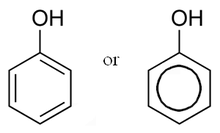
Phenol, which is the parent compound of phenolic compounds is used as a disinfectant and for chemical synthesis. Phenolics are a class of chemical compounds consisting of a hydroxyl functional group (-OH) attached to an aromatic hydrocarbon group. The simplest of the class is phenol (C6H5OH). Some phenols are germicidal and are used in formulating disinfectants. Others possess estrogenic or endocrine disrupting activity. (click here)
Phenolic Compounds
Phenolic compounds are a large and diverse group of molecules which includes many different families of aromatic secondary metabolites in plants. These phenolics are the most abundant secondary metabolites in plants and can be classified into non-soluble compounds such as condensed tannins, lignins, cell-wall bound cell-wall bound hydroxycinammic acids, and soluble compounds such as phenolic acids, phenylpropanoids, flavonoids and quinones. All these groups are involved in many processes in plants and animals. (click here)
Phenolic Acid
Phenolic acid is a plant metabolite which is widely spread throughout the plant kingdom. Phenolic acid is essential for the growth and reproduction of plants. It is produced as a response for defending injured plants against pathogens.
Natural Substances with Phenolic Acids
1. Propolis
The pharmacologically active molecules in the propolis are flavonoids and phenolic acids and their esters. These components have multiple effects on bacteria, fungi and viruses. In addition, propolis and its components have anti-inflammatory and immunomodulatory activities.
2. Coffee
Coffee is very rich in bound phenolic acids such as caffeic acid, ferulic acid and p-coumaric acid.
3. Purple corn maize
4. Quince
5. Aloe Ferox
6. Berries
7. Spices
Spices significantly contribute to the flavor, taste, and medicinal properties of food because of phenolics. Most spices contain phenolic acids such as tannic, gallic, caffeic, cinnamic, chlorogenic, ferulic and vanillic acids. A high amount of tannic and gallic acids are found in black mustard and clove. Caffeic, chlorogenic and ferulic acids are found in a good amount in cumin. Vanillic and cinnamic acids are found in onion seeds.
8. Dark Plum
9. Cherry
10. Apple (Valkea Kuulas)
11. Green & Black Teas
12. Horse Gram Beans
13. Mushroom (Basidiomycetes species)
14. Chillli Peppers
Capsaicin which is the pungent compound.
15. Herbs
16. Dried Fruits
17. Strong Smells/Aroma
18. Red Wine
18. Red Wine
Some Phenolic Compounds
BHT (Butylated Hydroxytoluene) - A fat-soluble antioxidant and food additive
Cresol - Found in coal tar and creosote
Estradiol - Estrogen (hormones)
4-Nonylphenol - A breakdown product of detergents and nonoxynol-9
Orthophenyl Phenol - A fungicide used for waxing citrus fruits
Porpofol - An anesthetic
Raspbery Ketone - A compound with an intense raspberry smell
Thymol - An antiseptic used in mouthwashes
Xylenol - Used in antiseptics and disinfectants
For a full list of phenolic compounds click here.
Monday, 23 April 2012
Salicylate Part 2 - Salicylate in Everyday Products
Salicylic Acid is sometimes labeled as beta hydroxy acid (BHA). It can be obtained from the bark of willow trees.
In 1989, Salicylic Acid was also isolated from the perennial herb Meadowsweet by German researchers.
There are some researchers who believe that salicylate is an essential micronutrient in the human diet. They call it the 'Vitamin S'.
Salicylic Acid is a monohydroxybenzoic acid. It is a type of phenolic acid and a beta hydroxy acid. Phenolic acid is a class of compounds grouped together due to their similar chemical structure. In the world of cosmetics and beauty products, salicylic acid is labelled as beta hydroxy acid.
Salicylic Acid is used in plants' organic synthesis and it functions as a plant hormone. The salts and esters of Salicylic Acid are known as salicylates.
Below is a list of the salts of Salicylic Acid:
1. Calcium Salicylate
2. Magnesium Salicylate
3. MEA-Salicylate
4. Potassium Salicylate
5. Sodium Salicylate
6. TEA-Salicylate
Below is a list of the esters of Salicylic Acid:
1. Butyloctyl Salicylate
2. C12-15 Alkyl Salicylate
3. Capryolyl Salicylic Acid
4. Hexyldecyl Salicylate
5. Isocetyl Salicylate
6. Isodecyl Salicylate
7. Ethylhexyl Salicylate
8. Methyl Salicylate
9. Myristyl Salicylate
10. Tridecyl Salicylate
Salicylic Acid, its salts and esters have many functions and these ingredients may be used in moisturizers, skin cleansing products, shampoo, skin care, hair care, suntan and sunscreen products, mouthwashes and dentifrices.
Here are some of the uses of Salicylic Acid, its salts and esters.
1. Calcium Salicylate
This is used as a preservative.
2. Magnesium Salicylate
Magnesium Salicylate is a common analgesic and NSAID. It is used to treat muscular pain. It is also used to treat headaches, general back pain and certain joint pains like arthritis.
3. MEA-Salicylate
MEA-Salicylate is used as a preservative in cosmetic products.
4. Potassium Salicylate
This is used as a cosmetic biocide. This means that it helps to cleanse the skin or to prevent ordour by destroying or inhibiting the growth of microorganisms.
5. Sodium Salicylate
This is used as a denaturant and as a preservative.
6. TEA-Salicylate & Ethylhexyl Salicylate
This is used as a sunscreen agent (absorbs, reflect or scatter UV rays) and an ultraviolet light absorber (protects cosmetic products from deterioration).
7. Butyloctyl Salicylate, C12-15 Alkyl Salicylate, Capryolyl Salicylic Acid, Hexyldecyl Salicylate, Isocetyl Salicylate, Isodecyl Salicylate & Tridecyl Salicylate
These are used as skin conditioning agents. They either act as lubricants on the skin surface which cause the skin to look smooth and soft. They also can help the skin stay hydrated by drawing moisture from the surrounding air. They also enhance the appearance of dry or damaged skin by reducing flaking and restoring suppleness. And they can slow down the loss of water from the skin by forming a barrier on the skin's surface.
8. Methyl Salicylate
This is used as an external analgesic. This is applied to the skin to relieve pain. This is also used as an ingredient to impart flavor or taste to a product. It is also used as a substance to impart an ordour to a product. Methyl Salicylate is one of several antiseptic ingredients in Listerine mouthwash by Johnson and Johnson company.
9. Salicylic Acid
This is used as an anti-acne agent, anti-dandruff agent, corn/callus/wart remover, skin exfoliant, hair conditioning agent, preservative for cosmetic products, and skin conditioning agent.
Many months ago, a lady wrote to me to share with me about her daughter who is also salicylate sensitive. And she is a chemist! Here is the link to her blog. Hopefully her blog can shed more light on salicylate sensitivity!
S is for Salicylate!
In 1989, Salicylic Acid was also isolated from the perennial herb Meadowsweet by German researchers.
There are some researchers who believe that salicylate is an essential micronutrient in the human diet. They call it the 'Vitamin S'.
Salicylic Acid is a monohydroxybenzoic acid. It is a type of phenolic acid and a beta hydroxy acid. Phenolic acid is a class of compounds grouped together due to their similar chemical structure. In the world of cosmetics and beauty products, salicylic acid is labelled as beta hydroxy acid.
| The chemical structure of Salicylic acid |
Below is a list of the salts of Salicylic Acid:
1. Calcium Salicylate
2. Magnesium Salicylate
3. MEA-Salicylate
4. Potassium Salicylate
5. Sodium Salicylate
6. TEA-Salicylate
Below is a list of the esters of Salicylic Acid:
1. Butyloctyl Salicylate
2. C12-15 Alkyl Salicylate
3. Capryolyl Salicylic Acid
4. Hexyldecyl Salicylate
5. Isocetyl Salicylate
6. Isodecyl Salicylate
7. Ethylhexyl Salicylate
8. Methyl Salicylate
9. Myristyl Salicylate
10. Tridecyl Salicylate
Salicylic Acid, its salts and esters have many functions and these ingredients may be used in moisturizers, skin cleansing products, shampoo, skin care, hair care, suntan and sunscreen products, mouthwashes and dentifrices.
Here are some of the uses of Salicylic Acid, its salts and esters.
1. Calcium Salicylate
This is used as a preservative.
2. Magnesium Salicylate
Magnesium Salicylate is a common analgesic and NSAID. It is used to treat muscular pain. It is also used to treat headaches, general back pain and certain joint pains like arthritis.
3. MEA-Salicylate
MEA-Salicylate is used as a preservative in cosmetic products.
4. Potassium Salicylate
This is used as a cosmetic biocide. This means that it helps to cleanse the skin or to prevent ordour by destroying or inhibiting the growth of microorganisms.
5. Sodium Salicylate
This is used as a denaturant and as a preservative.
6. TEA-Salicylate & Ethylhexyl Salicylate
This is used as a sunscreen agent (absorbs, reflect or scatter UV rays) and an ultraviolet light absorber (protects cosmetic products from deterioration).
7. Butyloctyl Salicylate, C12-15 Alkyl Salicylate, Capryolyl Salicylic Acid, Hexyldecyl Salicylate, Isocetyl Salicylate, Isodecyl Salicylate & Tridecyl Salicylate
These are used as skin conditioning agents. They either act as lubricants on the skin surface which cause the skin to look smooth and soft. They also can help the skin stay hydrated by drawing moisture from the surrounding air. They also enhance the appearance of dry or damaged skin by reducing flaking and restoring suppleness. And they can slow down the loss of water from the skin by forming a barrier on the skin's surface.
8. Methyl Salicylate
This is used as an external analgesic. This is applied to the skin to relieve pain. This is also used as an ingredient to impart flavor or taste to a product. It is also used as a substance to impart an ordour to a product. Methyl Salicylate is one of several antiseptic ingredients in Listerine mouthwash by Johnson and Johnson company.
9. Salicylic Acid
This is used as an anti-acne agent, anti-dandruff agent, corn/callus/wart remover, skin exfoliant, hair conditioning agent, preservative for cosmetic products, and skin conditioning agent.
Many months ago, a lady wrote to me to share with me about her daughter who is also salicylate sensitive. And she is a chemist! Here is the link to her blog. Hopefully her blog can shed more light on salicylate sensitivity!
S is for Salicylate!
Thursday, 19 April 2012
Salicylate Part 1 - Salicylate Sensitivity
What is salicylate?
What does salicylate do? What is its function?
Where is salicylate found?
What can it do to people who are salicylate sensitive?
I found myself asking all these questions after I had an anaphylactic attack due to an over-accumulation of salicylates in my system. It scared the shit out of me. My life was never going to be the same again. I could not tolerate even small amounts of it. And the worst part was that it exists in FOOD! Especially fruits and vegetables! My FAVOURITE! And synthetic salicylate is found in almost EVERY day-to-day products! How was I going to live my life?
Salicylate
Salicylates are chemicals which are found naturally in some plants, which are stored in the bark, leaves, roots, skins and seeds. Salicylate protects the plants against insect damage and disease which are caused by bacteria, fungus and viruses. Salicylate is often concentrated just under the skin of fruits and in outer leaves of vegetables. Salicylate is at its highest in unripened fruits. But the level decreases as the fruits ripen.
The History of Salicylate
Salicylic acid is an acid which is derived from the bark of the willow tree. The willow tree bark has been used since the early times (especially by the Native Americans) as a remedy for pain, inflammation and fever. The first documentation of the medicinal use of salicylic acid was by the ancient Greeks at about 500 BC.
The History of Aspirin
A German man, by the name of Johann Buchner who was working at the University of Munich was the first to distill from willow bark the substance he called 'salicin' after the Latin name for the willow tree, 'Salix alba'. In 1829, a French chemist, Henri LaRoux, perfected the extraction technique. And in 1853, Charles Gerhardt, invented aspirin, though it wasn't marketed until the Bayer company patented the formula in 1899 (click here for Aspirin's history)
Salicylate Today
Salicylic acid is a very popular treatment for acne and is used in chemical peels to improve the appearance of fine lines, wrinkles, blemishes, to help keep pores clean and prevent acne and sun damage.
Salicylic acid is also used as a treatment for skin conditions like psoriasis, warts and calluses. Because salicylic acid has anti-inflammatory properties, it can sooth the skin while exfoliating it.
Coming soon: Salicylate in Everyday Products
What does salicylate do? What is its function?
Where is salicylate found?
What can it do to people who are salicylate sensitive?
I found myself asking all these questions after I had an anaphylactic attack due to an over-accumulation of salicylates in my system. It scared the shit out of me. My life was never going to be the same again. I could not tolerate even small amounts of it. And the worst part was that it exists in FOOD! Especially fruits and vegetables! My FAVOURITE! And synthetic salicylate is found in almost EVERY day-to-day products! How was I going to live my life?
Salicylate
Salicylates are chemicals which are found naturally in some plants, which are stored in the bark, leaves, roots, skins and seeds. Salicylate protects the plants against insect damage and disease which are caused by bacteria, fungus and viruses. Salicylate is often concentrated just under the skin of fruits and in outer leaves of vegetables. Salicylate is at its highest in unripened fruits. But the level decreases as the fruits ripen.
The History of Salicylate
Salicylic acid is an acid which is derived from the bark of the willow tree. The willow tree bark has been used since the early times (especially by the Native Americans) as a remedy for pain, inflammation and fever. The first documentation of the medicinal use of salicylic acid was by the ancient Greeks at about 500 BC.
The History of Aspirin
A German man, by the name of Johann Buchner who was working at the University of Munich was the first to distill from willow bark the substance he called 'salicin' after the Latin name for the willow tree, 'Salix alba'. In 1829, a French chemist, Henri LaRoux, perfected the extraction technique. And in 1853, Charles Gerhardt, invented aspirin, though it wasn't marketed until the Bayer company patented the formula in 1899 (click here for Aspirin's history)
Salicylate Today
Salicylic acid is a very popular treatment for acne and is used in chemical peels to improve the appearance of fine lines, wrinkles, blemishes, to help keep pores clean and prevent acne and sun damage.
Salicylic acid is also used as a treatment for skin conditions like psoriasis, warts and calluses. Because salicylic acid has anti-inflammatory properties, it can sooth the skin while exfoliating it.
Coming soon: Salicylate in Everyday Products
Monday, 16 April 2012
The Sensitive Issue
'Oh my GAWD! You are so SENSITIVE!!!!'
How many times have we heard that, said that or thought of that statement?
We say this when someone's feelings get hurt too easily. Someone whose 'emotional skin' that is paper thin. Someone whose 'emotional skin' that is not thick as an elephant's hide. Someone who takes every statement to be insulting. Even when it is not. And cries buckets and waterfall amount of tears when pricked by hurt the size of a needle. And some become vindictive and revengeful and lash out at others before they could produce another 'sensitive' statement.
For people like me, the word 'sensitive' concerns our health. It concerns our well-being. It concerns our life. It can be akin to the 'emotional sensitivity'. It is our body, our system that gets hurt instead.
The word 'sensitivity' in the medical world can be interpreted as an adverse physical reaction when exposed to triggers in a susceptible person. In other words, a 'sensitive person' or a 'hypersensitivity'. A few examples of the triggers that can create havoc in a sensitive person are salicylate, glutamate, aspartame, amines, food colourings, preservatives, and food dye.
A sensitivity involves no immune system response, BUT it can yield results which are similar to allergy-induced reactions. A hypersensitivity is a result of the inability of certain individuals to metabolically process the offending chemical in food substance.
People with IgE-mediated food allergy MUST avoid the offending triggers (food, dust... etc) altogether. Where else people with non-IgE-mediated food hypersensitivity can OFTEN eat SOME of the amount of offending food without developing symptoms. The threshold of each individual varies. Some can tolerate low amounts of the offending food, others cannot.
Sad to say, there are no tests today which are available for people with hypersensitivity. The only setting that is available is through food challenge studies in a controlled environment.
Food hypersensitivity can be diagnosed by using the elimination diet, followed by food challenges and gradual reintroduction of foods and food chemicals. It is VITAL that this is conducted by an allergist who is familiar with this procedure as the re-introduction of food and food chemicals could trigger an anaphylactic attack!
In the event of proper food elimination, proper intake of anti-histamines and other medications, the threshold or tolerance levels of individuals can improve. Again, it is vital to work with an allergist (and sometimes together with a dietitian) who are aware of hypersensitivity and the danger it poses and is equipped with the knowledge of this ailment.
So in future, if you come across people like me, but you cannot fathom or understand what we go through, put yourself in this situation. Think back during the time when you had a VERY high fever. And your joints and limbs were aching from the raging fever. And someone comes and grabs you at the places you hurt most and you scream out in pain. And then that person retorts and say, 'Oh my GAWD! You are so SENSITIVE!!!!'
How many times have we heard that, said that or thought of that statement?
We say this when someone's feelings get hurt too easily. Someone whose 'emotional skin' that is paper thin. Someone whose 'emotional skin' that is not thick as an elephant's hide. Someone who takes every statement to be insulting. Even when it is not. And cries buckets and waterfall amount of tears when pricked by hurt the size of a needle. And some become vindictive and revengeful and lash out at others before they could produce another 'sensitive' statement.
For people like me, the word 'sensitive' concerns our health. It concerns our well-being. It concerns our life. It can be akin to the 'emotional sensitivity'. It is our body, our system that gets hurt instead.
The word 'sensitivity' in the medical world can be interpreted as an adverse physical reaction when exposed to triggers in a susceptible person. In other words, a 'sensitive person' or a 'hypersensitivity'. A few examples of the triggers that can create havoc in a sensitive person are salicylate, glutamate, aspartame, amines, food colourings, preservatives, and food dye.
A sensitivity involves no immune system response, BUT it can yield results which are similar to allergy-induced reactions. A hypersensitivity is a result of the inability of certain individuals to metabolically process the offending chemical in food substance.
People with IgE-mediated food allergy MUST avoid the offending triggers (food, dust... etc) altogether. Where else people with non-IgE-mediated food hypersensitivity can OFTEN eat SOME of the amount of offending food without developing symptoms. The threshold of each individual varies. Some can tolerate low amounts of the offending food, others cannot.
Sad to say, there are no tests today which are available for people with hypersensitivity. The only setting that is available is through food challenge studies in a controlled environment.
Food hypersensitivity can be diagnosed by using the elimination diet, followed by food challenges and gradual reintroduction of foods and food chemicals. It is VITAL that this is conducted by an allergist who is familiar with this procedure as the re-introduction of food and food chemicals could trigger an anaphylactic attack!
In the event of proper food elimination, proper intake of anti-histamines and other medications, the threshold or tolerance levels of individuals can improve. Again, it is vital to work with an allergist (and sometimes together with a dietitian) who are aware of hypersensitivity and the danger it poses and is equipped with the knowledge of this ailment.
So in future, if you come across people like me, but you cannot fathom or understand what we go through, put yourself in this situation. Think back during the time when you had a VERY high fever. And your joints and limbs were aching from the raging fever. And someone comes and grabs you at the places you hurt most and you scream out in pain. And then that person retorts and say, 'Oh my GAWD! You are so SENSITIVE!!!!'
Labels:
Amines,
Anaphylaxis,
Anti-histamines,
Artificial Colourings,
Aspartame,
Chemical,
Food Colourings,
Food Dye,
Food Stabilisers,
Glutamate,
Hypersensitivity,
Life,
Preservatives,
Salicylate,
Sensitive
Tuesday, 10 April 2012
The Power of Abstinence!
Abstinence. I am sure that you must be wondering if I have had too much exposure to synthetic chemicals and salicylates that I am now a raving, mad woman screaming to her readers about abstinence!
Haha!
The word 'abstinence' is defined as a voluntary restraint from indulging in bodily activities that are widely experienced as giving pleasure. Most frequently, the term refers to abstention from sexual intercourse, alcohol or food.
To people living with Idiopathic Anaphylaxis, abstinence is a powerful act that keeps us safe and symptoms-free. Instead of abstaining from activities that give us pleasure, we abstain from things that can kill us or trigger attacks that send us rushing to the ER.
If certain foods trigger our attacks, we abstain from consuming it.
If certain smells trigger our attacks, we abstain from smelling it.
If certain situations or places trigger our attacks, we abstain from being in such situations or places.
If certain medications trigger our attacks, we abstain from letting them enter into our system.
If certain cleaning agents trigger our attacks, we abstain from using it.
What I have noticed from living with IA during these 3 years is that by abstaining from eating, smelling or using foods, drinks or detergents that can trigger an attack for me, my body has been in the process of slowly healing itself. I find that when I go on total abstinence, I tolerate smells and even vegetables packed with salicylates better.
BUT, after indulging in a MINUTE amount (which is equivalent to a sip of deliciously, salicylate-packed apple and orange juice OR a teaspoon of red spinach, okra, capsicum, tomatoes or even a few slices of cucumbers; which are packed with salicylates), I go back to TOTAL ABSTINENCE! It is like a detox process where the salicylates slowly seep out of my system. Then when the salicylate levels are extremely low, I indulge again in small amounts and then abstain totally from salicylates again.
American Pregnancy Association website states that abstinence prevents pregnancy 100% of the time when practiced consistently.
I say abstinence from our triggers prevents us from attacks 100% of the time when we diligently practice it!
So who is jumping on this bandwagon of abstinence with me?
Haha!
The word 'abstinence' is defined as a voluntary restraint from indulging in bodily activities that are widely experienced as giving pleasure. Most frequently, the term refers to abstention from sexual intercourse, alcohol or food.
To people living with Idiopathic Anaphylaxis, abstinence is a powerful act that keeps us safe and symptoms-free. Instead of abstaining from activities that give us pleasure, we abstain from things that can kill us or trigger attacks that send us rushing to the ER.
If certain foods trigger our attacks, we abstain from consuming it.
If certain smells trigger our attacks, we abstain from smelling it.
If certain situations or places trigger our attacks, we abstain from being in such situations or places.
If certain medications trigger our attacks, we abstain from letting them enter into our system.
If certain cleaning agents trigger our attacks, we abstain from using it.
What I have noticed from living with IA during these 3 years is that by abstaining from eating, smelling or using foods, drinks or detergents that can trigger an attack for me, my body has been in the process of slowly healing itself. I find that when I go on total abstinence, I tolerate smells and even vegetables packed with salicylates better.
BUT, after indulging in a MINUTE amount (which is equivalent to a sip of deliciously, salicylate-packed apple and orange juice OR a teaspoon of red spinach, okra, capsicum, tomatoes or even a few slices of cucumbers; which are packed with salicylates), I go back to TOTAL ABSTINENCE! It is like a detox process where the salicylates slowly seep out of my system. Then when the salicylate levels are extremely low, I indulge again in small amounts and then abstain totally from salicylates again.
American Pregnancy Association website states that abstinence prevents pregnancy 100% of the time when practiced consistently.
I say abstinence from our triggers prevents us from attacks 100% of the time when we diligently practice it!
So who is jumping on this bandwagon of abstinence with me?
Subscribe to:
Posts (Atom)